A subculture is a group of people within a culture that differentiates itself from the parent culture to which it belongs, often maintaining some of its founding principles. Subcultures develop their own norms and values regarding cultural, political and sexual matters, and are also part of society while keeping these specific characteristics intact.
Thousands of subcultures exist within the United States. Some subcultures are united by shared experiences, while others are formed by members who possess traits or preferences that differ from the majority of a society’s population. In addition, it should be noted that, in the United States, teenagers often form subcultures to develop a shared youth identity. But even as members of a joint subculture band, they still identify and participate in society in general.
Some examples of Subcultures in the United States can be:
Bikers:
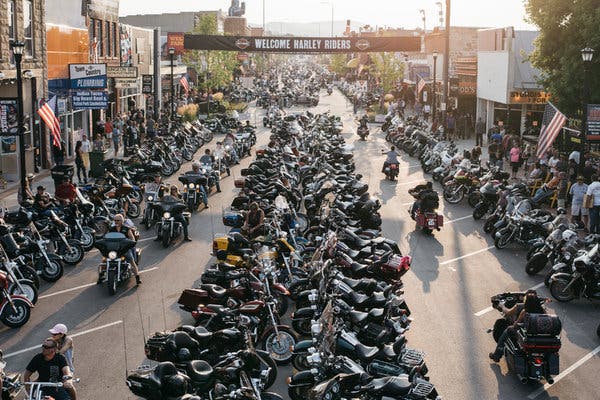
A motorcycle club, or motorcycle gang, is a group of individuals whose primary interest and activities involve motorcycles. A motorcycle group can range as clubbed groups of different bikes or bikers who own same model of vehicle like the Harley Owners Group. Most clubs are either organized around a brand or a type of riding (e.g. touring).
Characteristics:
- Bikers began in the 1940’s and 1950’s.
- They were mainly World War II veterans that wanted to feel the freedom of the open road and not be held down by starting a family.
- The early bikers began to show rebellion and resistance against the mainstream views by creating their own subculture.
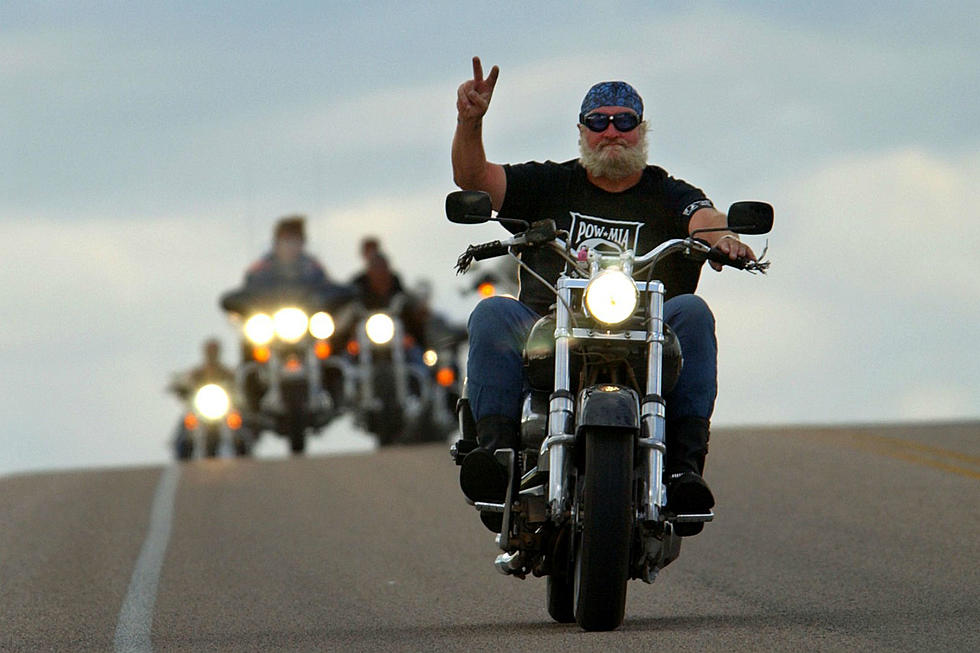
- Bikers are known to wear black leather jackets and boots accompanied by a pair of denim jeans that are sometimes distressed.
Hipsters:
Nonconformists. Progressives. Promoters of social change. Intelligent conversationalists. These are all descriptions of the hipster subculture, which is mostly comprised of white 20 to 30-year-olds. They are highly-educated and sociopolitically informed millennials, who grew up in middle to upper class families, and live in urban areas. Many have gone to college and graduated with a degree in the liberal arts.
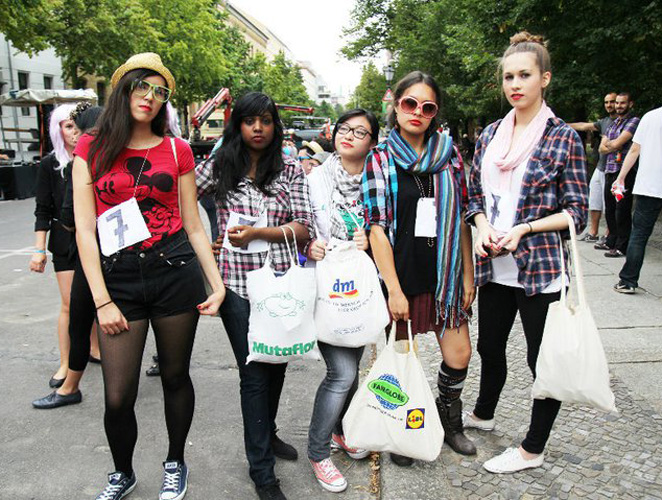
Hipsters typically listen to indie rock and alternative music, have politically liberal stances, buy organic foods and products, and protest popular, highly-commercialized clothing brands by shopping at thrift stores. Hipsters pride themselves on their up-to-date knowledge of social issues, intelligence, creativity, and appreciation of art, music and food. The hipster subculture has roots all the way back to the 1940s.
 United States Culture: Breaking Barriers